Do I Need To Pay Tax On Side Hustle Income In The UK?
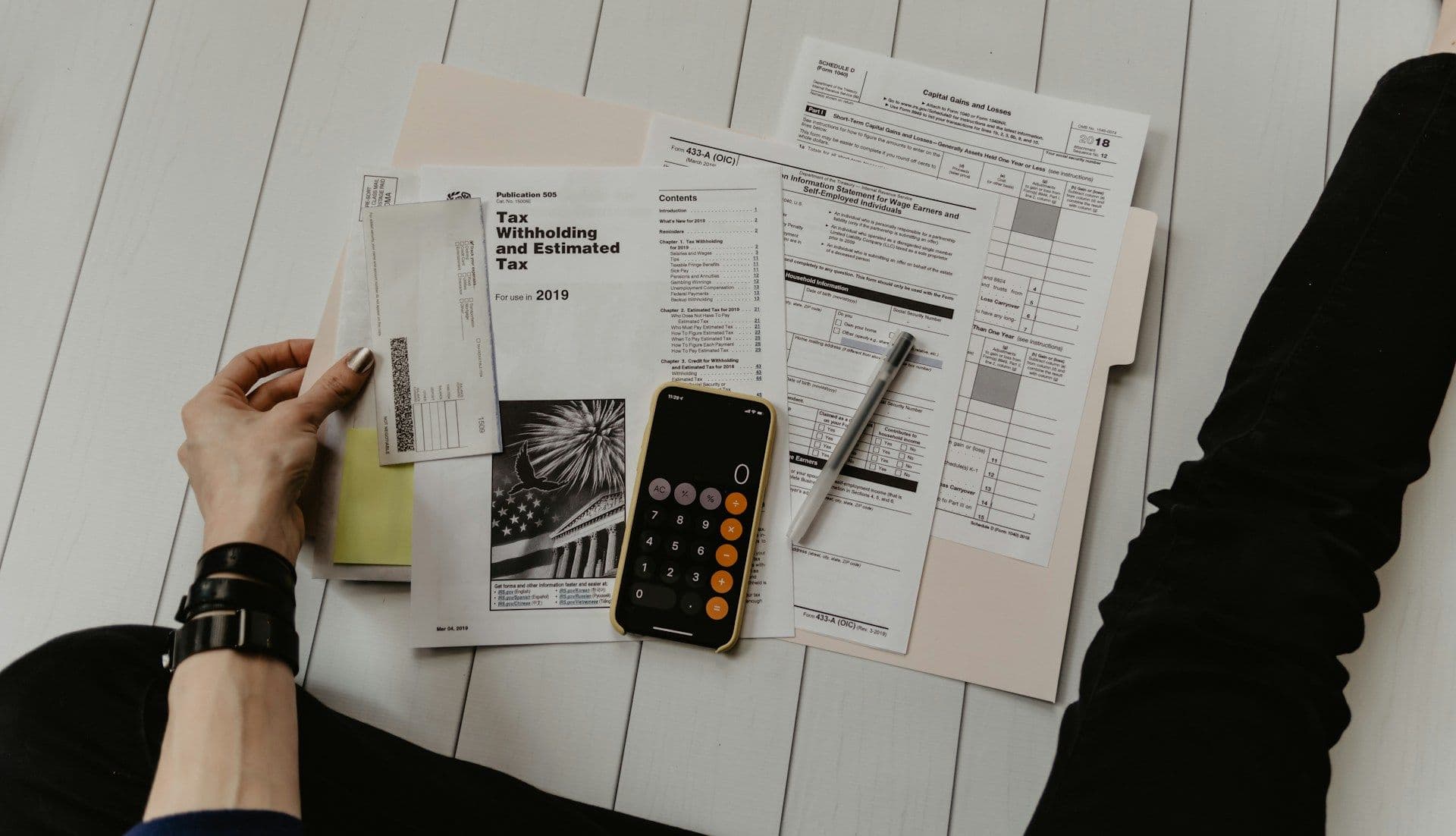
Yes, you may need to pay tax on side hustle income in the UK if your total income from side hustles goes over £1,000 in a tax year (otherwise, you usually do not need to do anything).
If you have ever earned money outside your main job, whether that is selling clothes online, making money playing online games, tutoring on evenings, delivering food at weekends, or making money through content and online side-hustle platforms, you have probably wondered the same thing at some point.
Do I actually need to pay tax on this?
The honest answer is that some people do and some people do not. It depends on what you are doing and how much you earn across the tax year.
The good news is that the rules are not as scary as they sound once you break them down properly.
What HMRC counts as a side hustle
A side hustle is simply any extra income you make outside your regular employment. HMRC is not bothered by what you call it.
They care about whether you are earning money and whether that money counts as trading, providing a service, or generating income in another taxable way.
For most people, side hustle income falls into a few everyday categories. It might be online selling, completing online tasks for cash, freelance or gig work, local services like dog walking, or digital income such as affiliate links, sponsorships, or ad revenue.
The key is that it is money coming in alongside your main job or studies.
The £1,000 rule people keep talking about
One of the biggest reasons side hustle tax feels confusing is because people hear bits of information out of context.
In the UK, there is a tax free allowance called the trading allowance. This lets you earn up to £1,000 per tax year from side hustle income without needing to register for Self Assessment or pay tax on it.
What matters here is total income from all your side hustles combined, not per side hustle. So if you make £600 from tutoring and £500 from selling items you made to order, your total is £1,100 and you may need to tell HMRC.
Also worth remembering is that the UK tax year runs from 6 April to 5 April, so when you are working out whether you have gone over the threshold, you are looking at that window.
It does not matter if it is cash in hand
Some people assume that side hustle income only counts if it is paid into a bank account or appears on a statement. That is not how it works.
If you earn money from your side hustle, it counts whether it is paid in cash, through an app, via PayPal, or straight into your bank. HMRC’s view is simple: if the income is yours, it is part of your tax position.
Selling your old stuff vs running a business
This is the part that catches people out, especially if you sell online.
If you are genuinely selling personal belongings you already owned, like clearing out your wardrobe, selling old furniture, or getting rid of kids’ toys, you will usually not need to pay tax on that. In most cases, it is treated as selling personal possessions rather than running a business.
It starts to look more like trading when you buy items specifically to resell, or you make items with the intention of selling them for profit. That might be flipping bargains from car boot sales, sourcing stock to resell online, or producing products regularly to sell through Etsy or social media. When there is a clear intention to make profit and it is happening consistently, HMRC is far more likely to see it as trading.
That is usually where the £1,000 trading allowance becomes relevant.
Is there a new “side hustle tax”?
No, there is no separate new tax for side hustles.
A lot of the noise online has come from changes to how digital platforms share information. From 2025, some platforms have reporting rules that can involve passing seller income details to HMRC once certain thresholds are met. This does not automatically mean you owe tax. It simply means HMRC has better visibility of who is earning money through online marketplaces and platforms.
If you are already following the rules and declaring income when you need to, this is not something to panic about.
I already pay tax through PAYE, so won’t it sort itself out?
This is one of the most common misunderstandings.
If you are employed and your salary is taxed through PAYE, that covers your job income. Side hustle income is separate. Once your side hustle goes over the £1,000 threshold, you usually need to declare it through Self Assessment.
It is also important to understand how side hustle income can affect your tax band. HMRC looks at your total taxable income across the year. So while you only pay tax on profits from your side hustle, the extra income can sometimes push part of your earnings into a higher band depending on what you earn overall.
How do you tell HMRC about side hustle income?
If you earn more than £1,000 from side hustles in a tax year, you typically need to register for Self Assessment and submit a tax return. This is the process HMRC uses to work out what you owe on income that is not taxed automatically through PAYE.
You will usually need to register by 5 October after the end of the tax year in which you started earning over the threshold, and then submit your online return by 31 January. The payment deadline is also 31 January for anything you owe for that tax year.
It sounds like a lot, but once it is set up, it is mostly just a case of keeping decent records and filling in the return once a year.
How much tax will you pay on a side hustle?
A simple way to think about it is this: you are taxed on profit, not on the total amount that comes in.
So if you made £2,000 from your side hustle but spent £800 on costs that are allowed as business expenses, your profit is £1,200. That is what tax is calculated on.
This is also why keeping records matters. Even if your hustle feels casual, it is much easier to report accurately if you know what came in, what went out, and what you actually made.
What happens if you do not declare it?
If you should have registered and declared side hustle income but did not, HMRC can charge penalties and interest, and the longer it is left, the messier it can become.
Most people are not trying to do anything wrong. They just assume it is too small to count, or they do not realise that income from multiple small streams adds up. The safest approach is always to check early, especially if you are close to the £1,000 threshold.
Where Prograd fits in if you want to make money online
If you are starting a side hustle or testing out ways to earn online, it helps to choose legitimate options and keep track of what you earn from the beginning.
Prograd is designed for exactly that. It connects people with real ways to make money online, in a way that feels manageable and flexible. Whether you are earning a little here and there or aiming to build something more consistent, it gives you a clearer view of what is coming in so you can stay in control and avoid tax surprises later.
Side-hustle income
If your total side hustle income is £1,000 or less in a UK tax year, you usually do not need to tell HMRC. Once you go over £1,000, you will likely need to register for Self Assessment and declare it. Selling personal items is usually different from trading, and there is no new “side hustle tax”, just more reporting visibility from some online platforms.
If you are earning money online, or planning to, a little bit of admin awareness now will save you a lot of stress later.