How To Make Money From Your Phone
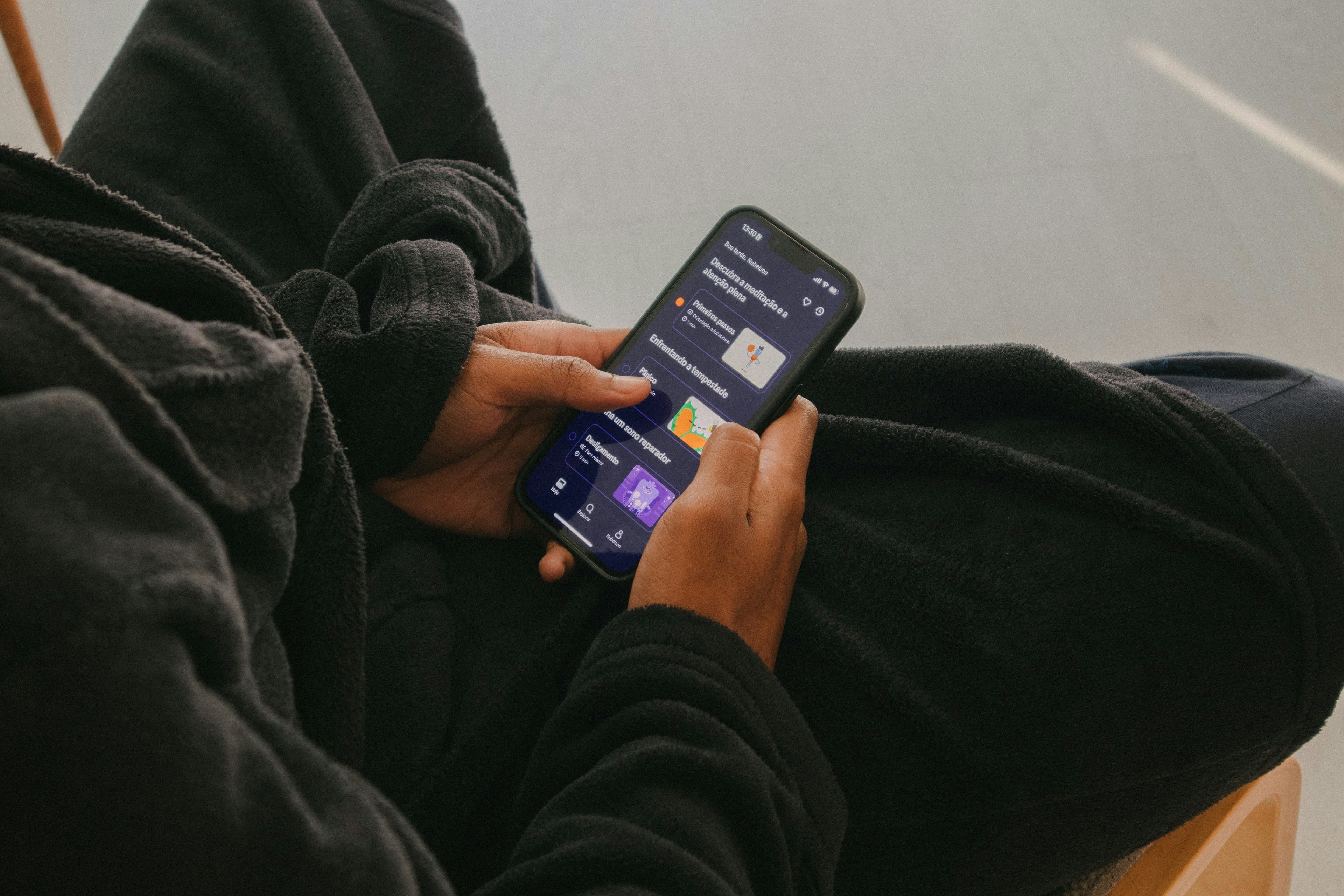
You can make money from your phone by finding legitimate platforms that match you with online money-making opportunities and completing them in your spare time.
If you're reading this on your phone, you've already got everything you need to start earning extra money. No office. No commute. No qualifications needed.
The average person in the UK spends over four hours a day on their phone. Most of that time, they earn nothing. But a growing number of people are quietly changing that, using spare minutes on the bus, in a lunch break, or on the sofa to build a real side income.
If you are looking for ways to make money from your phone, why not try Prograd? All you do is sign up for free and Prograd can show you hundred of quick ways to make money from your phone.
Want more ideas? Look no further...
What actually pays money from your phone?
Before diving in, it helps to be honest about how much you can earn on average doing different tasks.
Here's a realistic breakdown:
Surveys and quick tasks: £50–£150/month with consistent effort
Game and app testing: £50–£500 per project depending on how far into the game you go
Online tutoring: £20–£80 per hour
Micro-jobs and freelance work: £100–£1,000+/month depending on skills and time
Get paid to learn: Small but genuine, great for beginners
Reselling: Highly variable, but £200–£500/month is achievable
The people who earn the most aren't doing one thing. They're combining several different tasks and treating it like a proper, if part-time, job.
So, what are some options available?
1. Paid surveys
Surveys aren't going to make you rich, but they're one of the most genuinely easy ways to earn money in dead time.
Research companies need consumer opinions and they pay for them, it's that simple.
The key is using reputable platforms that pay reliably. Average earnings from surveys range from £50 to £120 per month if you're consistent.
The best approach is to sign up to two or three platforms rather than putting all your eggs in one basket, and to complete your profile fully so you get matched to relevant paid surveys rather than disqualified halfway through.
Paid survey platforms worth trying include Prograd, Swagbucks, Branded Surveys, and YouGov.
Each has slightly different earning structures, so it's worth exploring a few to find what suits you.
One tip seasoned earners swear by: set up a dedicated email address just for survey platforms. It keeps your inbox clean and means you never miss a new paid opportunity.
2. Get paid to play games
It sounds like a fantasy, but getting paid to play mobile games is a legitimate earning method, and nowadays it pays better than ever.
The model works because game developers pay platforms to acquire engaged users and gather data. Some of that money gets passed to you. Earnings range from small amounts on simpler apps to surprisingly substantial sums. Dedicated game testers can earn up to £500 on a single project.
Prograd lists game-testing opportunities alongside its other earning tasks, and it's one of the higher-paying categories on the platform. For straightforward game-discovery apps, Mistplay (Android only) and similar platforms offer gift card rewards for playtime.
The distinction worth making: passive game-playing apps pay modestly for time spent. Structured game-testing, where you're asked to reach specific levels and report on your experience, pays considerably more.
3. Micro-jobs and online tasks
Micro-jobs are small, self-contained tasks posted by businesses that need human judgment, things algorithms can't reliably do. They include categorising images, writing short product descriptions, fact-checking, data entry, transcription, and brief research tasks.
None of these require a CV or interview. You pick up tasks when you have time, complete them, and get paid.
Platforms like Clickworker and Appen have large catalogues of available work, while Prograd aggregates micro-job opportunities alongside other earning methods, making it easy to switch between task types depending on how much time you have.
Realistic earnings from micro-jobs sit at £100–£200 a month for casual use, but people who treat it more seriously, doing tasks daily for a few hours, can earn considerably more.
4. Get paid to learn
This one doesn't appear on most lists, but it's worth knowing about. Some platforms now pay users to complete short educational modules, usually around financial literacy, digital skills, or career development.
The idea is that companies and organisations benefit from having a more financially educated audience and pass some of that value to users.
Prograd's Money Academy is one of the better examples of this. It pays you to work through short learning content, which is particularly useful if you're new to earning online. You build knowledge and earn simultaneously. It won't be your biggest income stream, but it's essentially free money for time you'd otherwise spend passively.
5. Online tutoring
Tutoring is one of the most underrated phone-based income streams, and it pays far better than most people expect.
If you can explain a subject clearly, whether that's GCSE maths, A-Level history, English as a foreign language, or even a musical instrument, there's demand for what you know. Rates typically sit between £20 and £80 per hour, with more experienced tutors or niche subjects commanding the higher end.
Platforms like MyTutor and Superprof connect tutors with students, and sessions take place over video call, easily done from a phone.
Prograd also lists tutoring opportunities for those who want a single platform to manage multiple earning streams.
You don't need a teaching qualification for most platforms, though a strong academic background in the subject helps. Many tutors start with younger students at GCSE level and work upwards as they build confidence and reviews.
6. App and website testing
Before a company launches a new app or website, they need real people to use it and tell them what's confusing, broken, or frustrating. That's user testing, and it pays well for the time involved.
A typical session takes 15 to 20 minutes and pays around £5 to £15. You're asked to complete specific tasks while narrating your thoughts aloud and the recording is sent back to the development team. You don't need any technical knowledge. In fact, the most useful testers are often everyday users rather than tech specialists.
UserTesting and Trymata are well-established platforms for this. Prograd also lists app testing opportunities as part of its broader task catalogue. The main limitation is that tests aren't always available, so once you're registered on a few platforms you simply pick up work when it appears.
7. Virtual assistant work
Businesses of all sizes need help with administrative tasks: scheduling, email management, data entry, social media scheduling, basic research. Virtual assistant work has grown significantly in recent years, and a lot of it can be handled entirely from a phone.
Rates vary widely. Entry-level VA work starts around £10 to £15 an hour, while VAs with specialist skills in areas like social media strategy, bookkeeping, or copywriting can charge significantly more.
Upwork and Fiverr are the biggest marketplaces for finding VA clients. Prograd also lists remote admin opportunities for those who prefer a more curated job feed.
8. Freelancing
If you have a marketable skill, whether that's writing, graphic design, video editing, translation, or coding, freelancing is one of the most scalable options on this list. Unlike task-based earning, freelance work can grow over time as you build a reputation and client base.
Getting started is often the hardest part. Begin by putting together a small portfolio, even personal or speculative work counts, then list yourself on Fiverr or Upwork. Early gigs might pay modestly, but the ceiling is genuinely high for anyone who sticks with it.
The phone-based aspect is more about managing client communication, reviewing briefs, and handling invoicing than doing the work itself. Though for writing, social media, and basic design, the phone is genuinely sufficient for the full workflow.
9. Reselling
Reselling has been a side hustle for decades, but apps like Vinted and Depop have made it dramatically more accessible. You can photograph, list, and manage sales entirely from your phone.
Start with your own wardrobe. Clothing in good condition sells reliably, particularly branded or vintage items. Once you've got a feel for what sells, charity shops, car boot sales, and Facebook Marketplace become your sourcing ground.
The most successful resellers tend to specialise, whether that's trainers, vintage denim, children's clothing, or books, because familiarity with a category helps you spot good deals faster. Some resellers earn £200 to £500 a month; dedicated ones earn much more.
10. Cashback apps
Cashback isn't income exactly. It's recovering money you'd have spent anyway. But it genuinely adds up and is worth including for that reason.
Apps like TopCashback and Quidco give you a percentage back on purchases made through their links, covering everything from groceries to insurance to hotel bookings. Over a year, regular users can save hundreds of pounds through cashback they'd otherwise never have claimed.
The habit to build: before making any online purchase, check whether there's a cashback offer available. It takes 30 seconds and costs nothing.
Things to watch out for when making money from your pone
Not everything claiming to pay you for your phone time is legitimate. A few things to be wary of:
Upfront fees. Legitimate earning platforms are free to join. If you're asked to pay before you can access jobs or withdraw earnings, walk away.
Unrealistic promises. Genuine opportunities describe realistic earnings and show you exactly what the work involves. If the pitch sounds too good to be true, it is.
MLM-style structures. If a platform's main angle is recruiting others to earn, it's a multi-level marketing scheme. The real money goes to those at the top, not you.
Poor data practices. Be selective about which platforms you share personal data with. Stick to established platforms with clear privacy policies and be wary of apps asking for excessive permissions.
How to make the most money from your phone
A few habits separate people who earn meaningfully from their phones and those who make a few pounds and give up.
Stack methods: Five minutes on a survey, a micro-job at lunch, a tutoring session in the evening. Small chunks add up to real money over a month.
Be consistent: Logging in once a week isn't a side hustle; logging in every day is. Most platforms reward consistent users with better opportunities over time.
Set a target: Knowing you want to earn £200 this month is more motivating than vaguely trying to earn something. It changes how you prioritise your time.
Track your earnings: A simple note or spreadsheet showing what you've earned from each platform helps you double down on what's actually working and cut what isn't.
Where to start
If you want a single platform that brings multiple earning methods together, surveys, games, tasks, tutoring, micro-jobs and paid learning, Prograd is worth a look. It's free to sign up, takes less than a minute, and matches you with opportunities based on your goals and available time. It's already helped over 500,000 people in the UK earn from their phones.
Beyond Prograd, experiment with two or three methods from this list, see what fits your schedule and personality, and build from there. The tools are all in your pocket. It's just a question of using them differently.